Buenas tardes! 
Pues bien, hace una semana hablando con @Tyrone que iba a instalar mi Pedal Spacer (spam gratuito https://civicx.club/t/3d-se-venden-pedal-spacer/11387) me comentó que el al llevar varias mejoras en la palanca de Acuity notaba que no llegaba a ir fino del todo al cambiar de marcha; no llegaba a hacer ningún roce ni sonaba raro, pero como que no acababa de entrar bien las marchas.
Y ahí es donde pensé yo, coño, a mi me pasa algo similar: noto que si presiono el pedal del embrague a fondo del todo, a lo máximo que da, el cambio entra “como debería entrar”, suave y “reduciendo” el Rev-Hang (o al menos es la sensación que me da). Además, notaba que sobre todo al cambiar de marcha en frio, el coche daba algún tironcillo sin llegar a pasarlo de vueltas, simplemente al no estar aún en una temperatura óptima.
Y ahí es cuando uní hilos. Dije coño, lo mismo esto puede ayudarme y ayudar al coche a tener una transición más suave entre marchas sin tener que atravesar la chapa del coche al pisar el embrague. Y si, si ayuda.
Hasta donde tengo entendido, los coches que salían de fábrica podrían estar mal ajustados o tener algo de holgura, o puede que esa malfunción haya sido creada debido al paso de los años. Sea como sea, la solución es bien sencilla y mas que recomendable.
NECESITARÁS:
- Una llave fija de 12
- Una llave fija de 17
Y ya jeje
En tan solo 2 minutos puedes llegar a corregir este fallo, y para ello os voy a dejar los dos vídeos explicativos que me pasó el chico que, aunque son para el R, nos sirven exactamente igual para todas las motorizaciones.

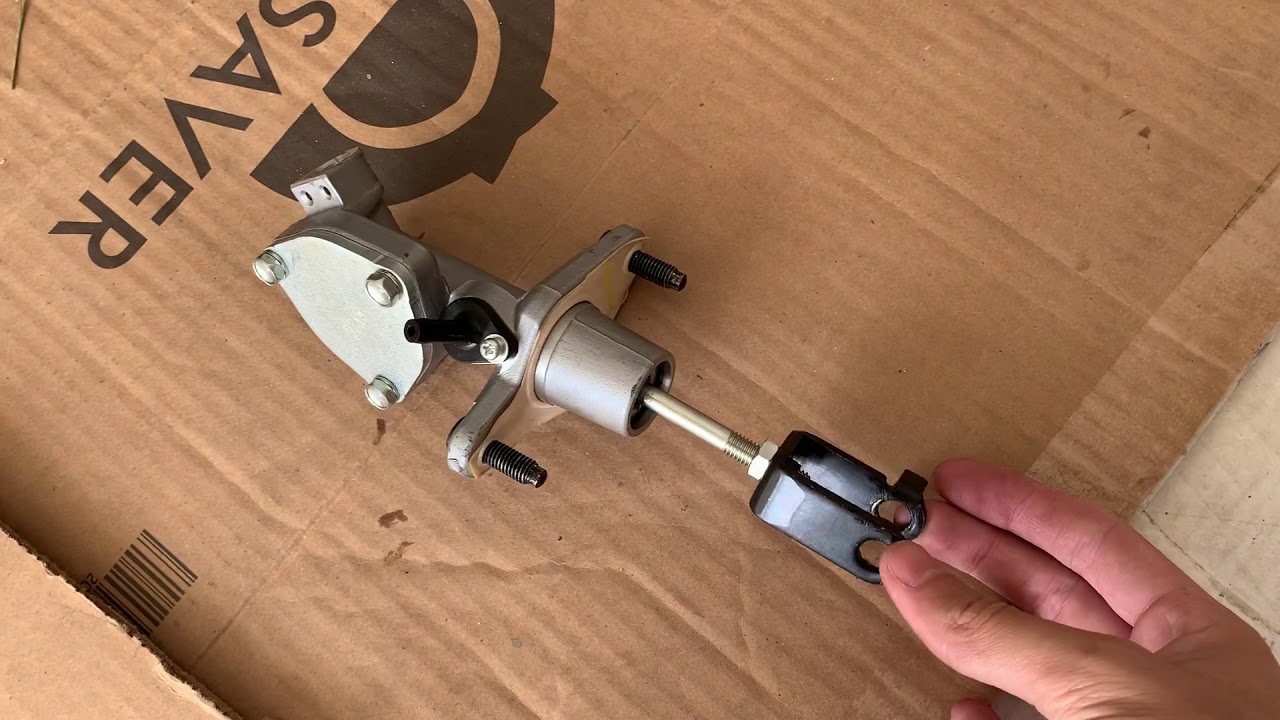
Como veis en el primer vídeo se explica bien y se tarda nada. Ahora bien, el chico me comentó una idea bastante buena que era hacer una pequeña marquita antes de desenroscar cualquiera de los dos tornillos para saber cuanto estás metiendo el pistón.
Hay que aclarar que esto hay que hacerlo con cabeza, ya que no podemos apretar demasiado el pistón.
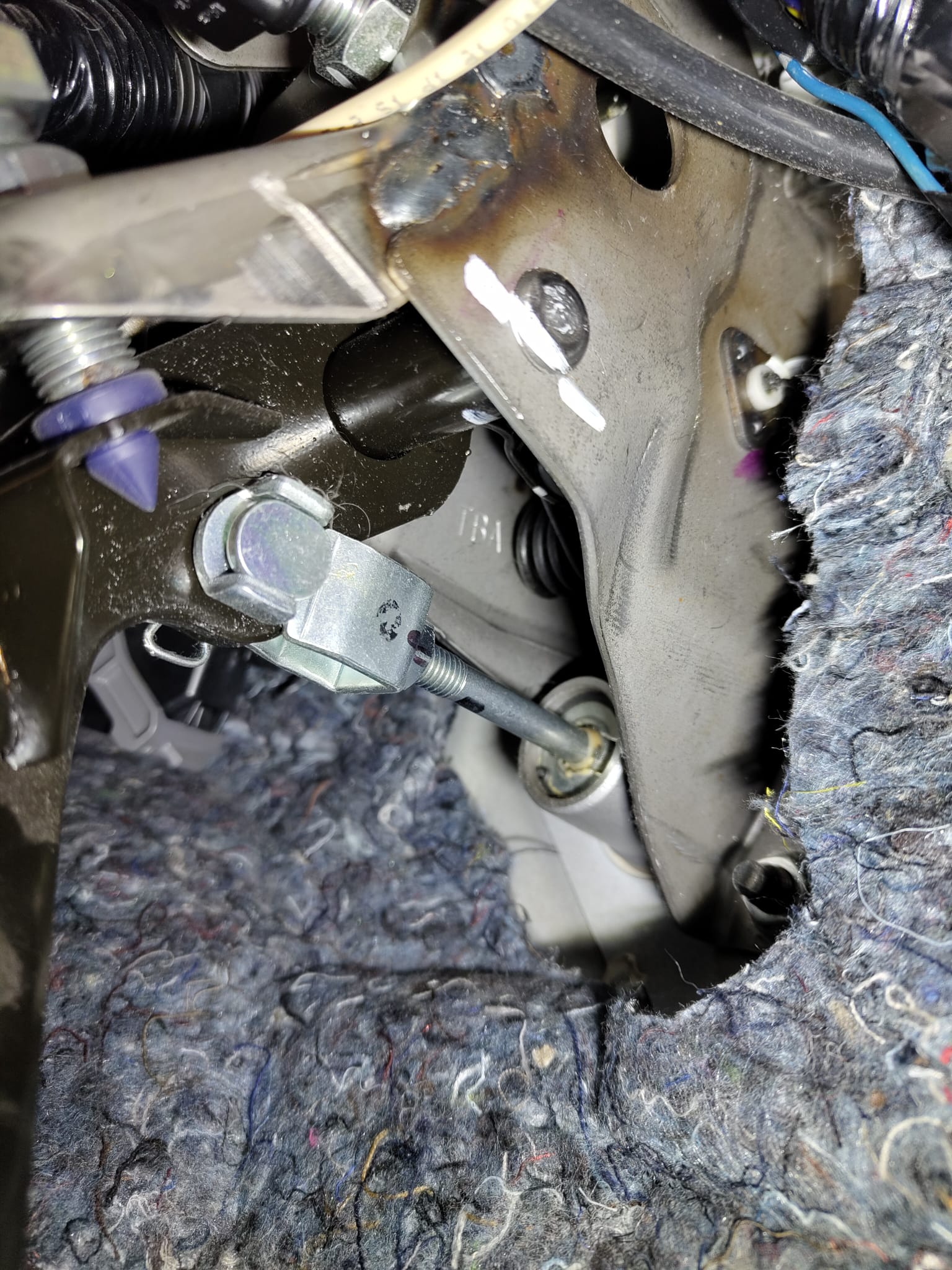
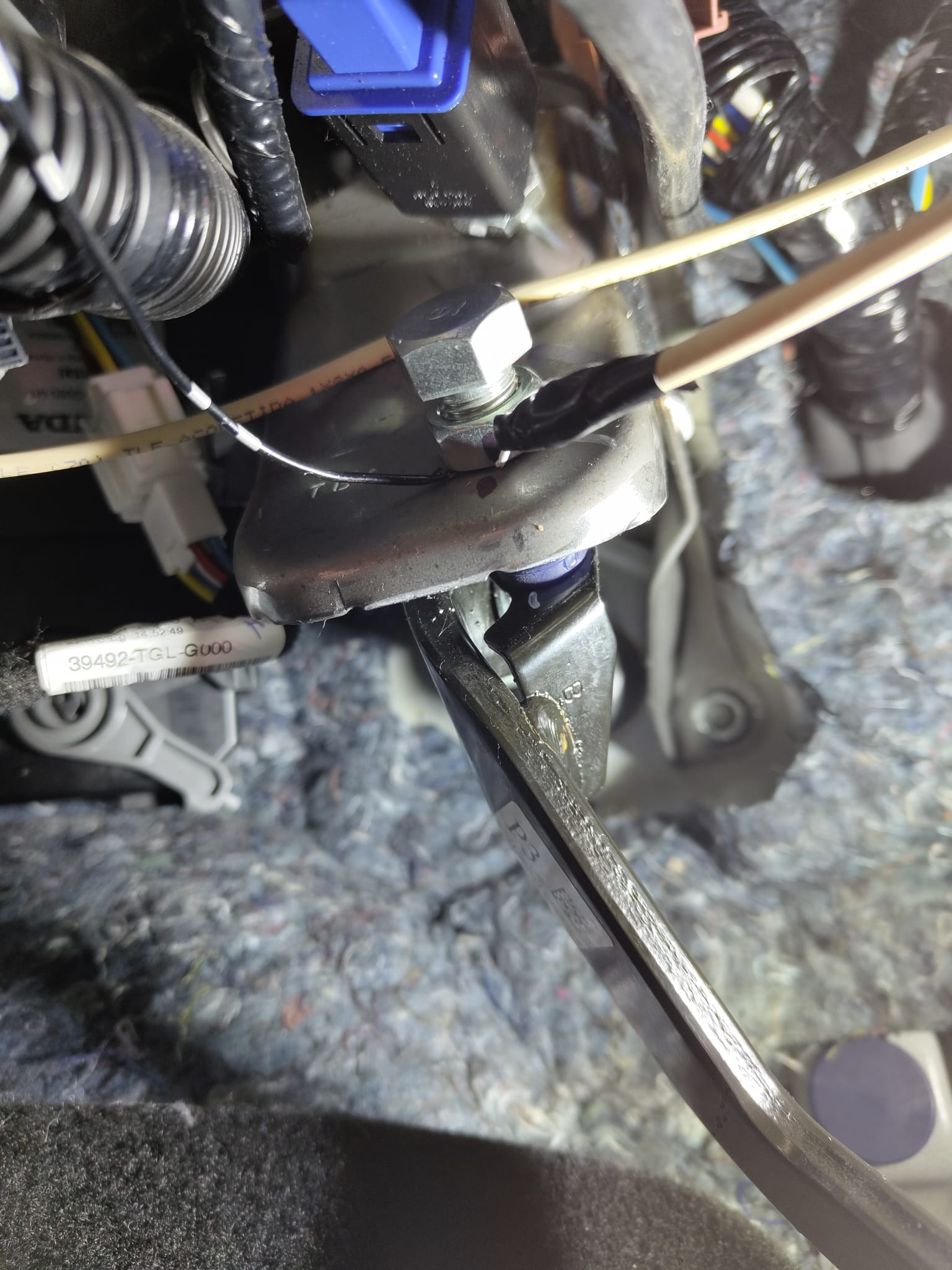
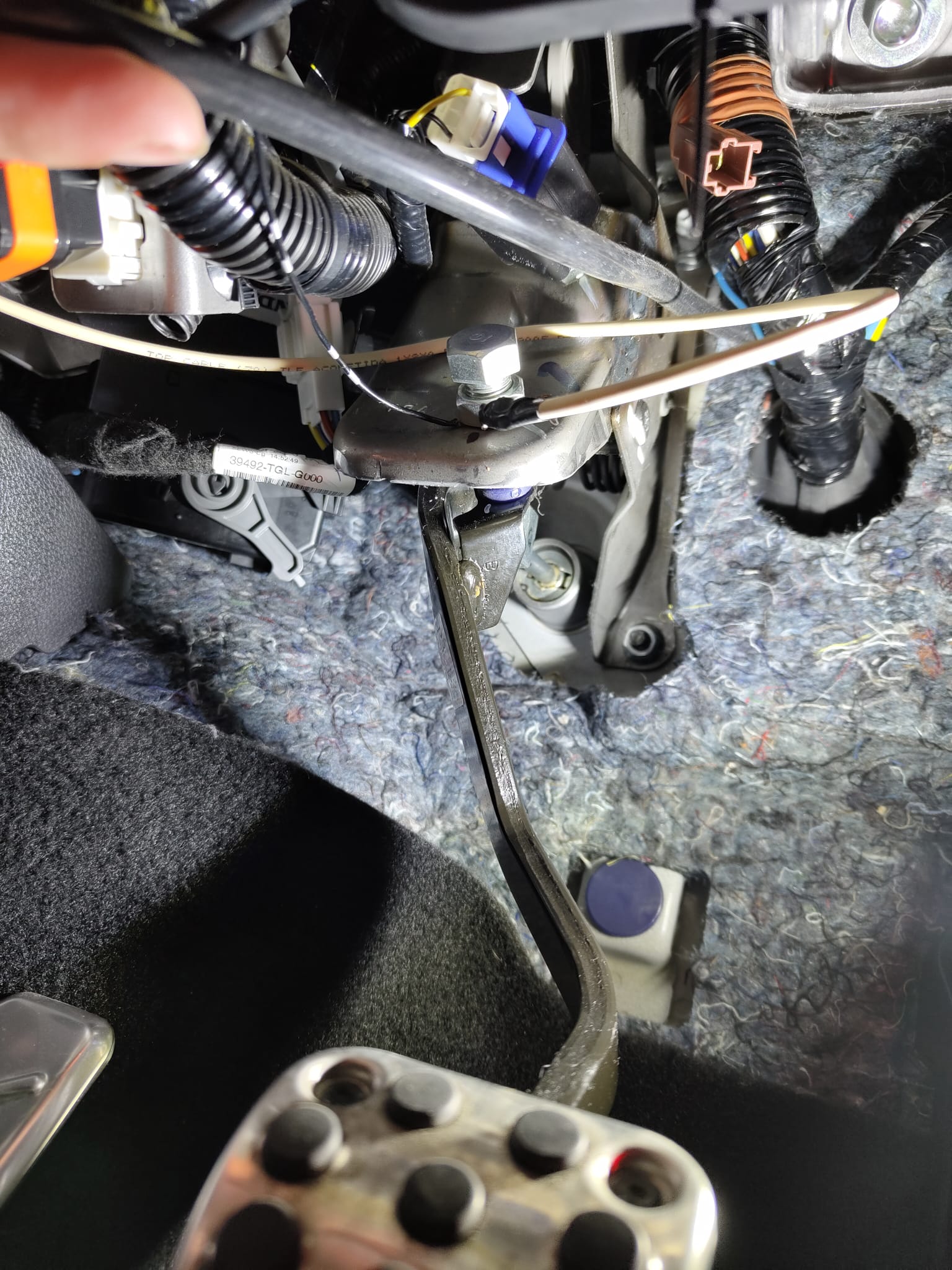
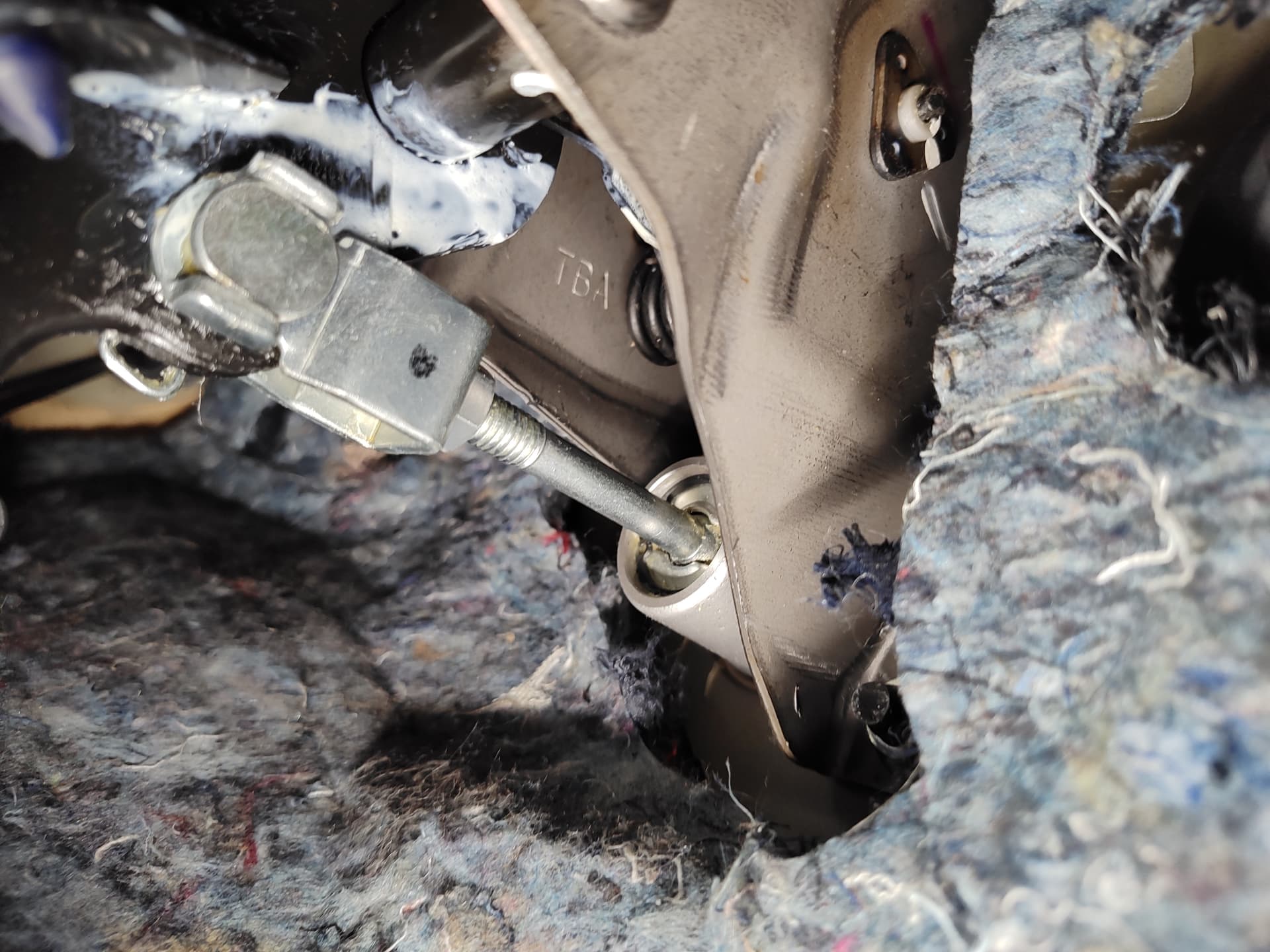
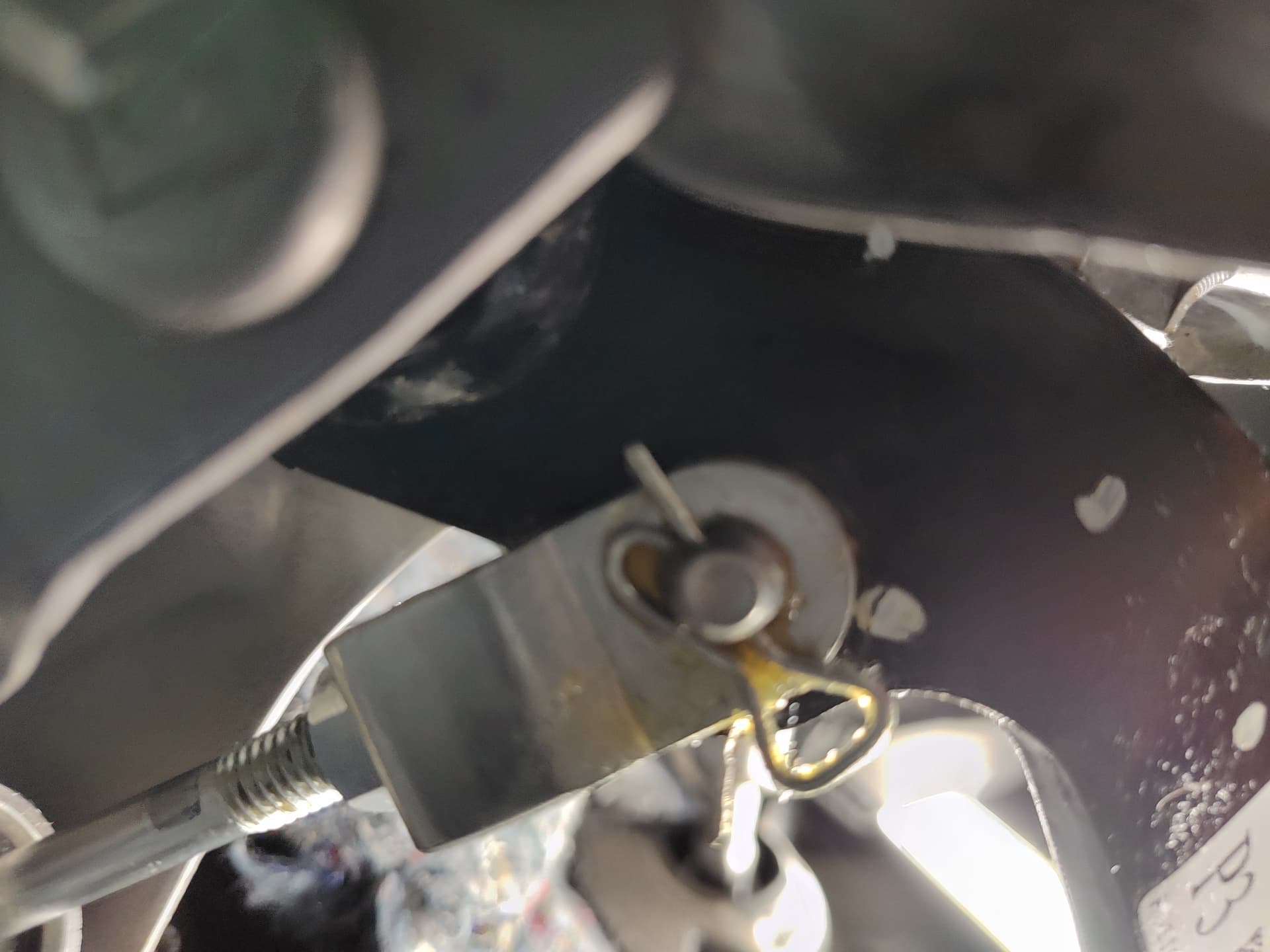
Ahí os dejo unas imágenes donde se puede apreciar en mi 1.0 el embrague, no os fijéis en que he usado el tornillo como masa para las luces interiores jeje.
He notado una mejoría al cambiar las marchas, ya no me hace esos tirones en frío, cambiar las marchas a altas revoluciones parece que va bastante mejor y entran las marchas con mas suavidad por lo general.
Ahí os lo dejo, agradecer del nuevo a @Tyrone que me pasó la info