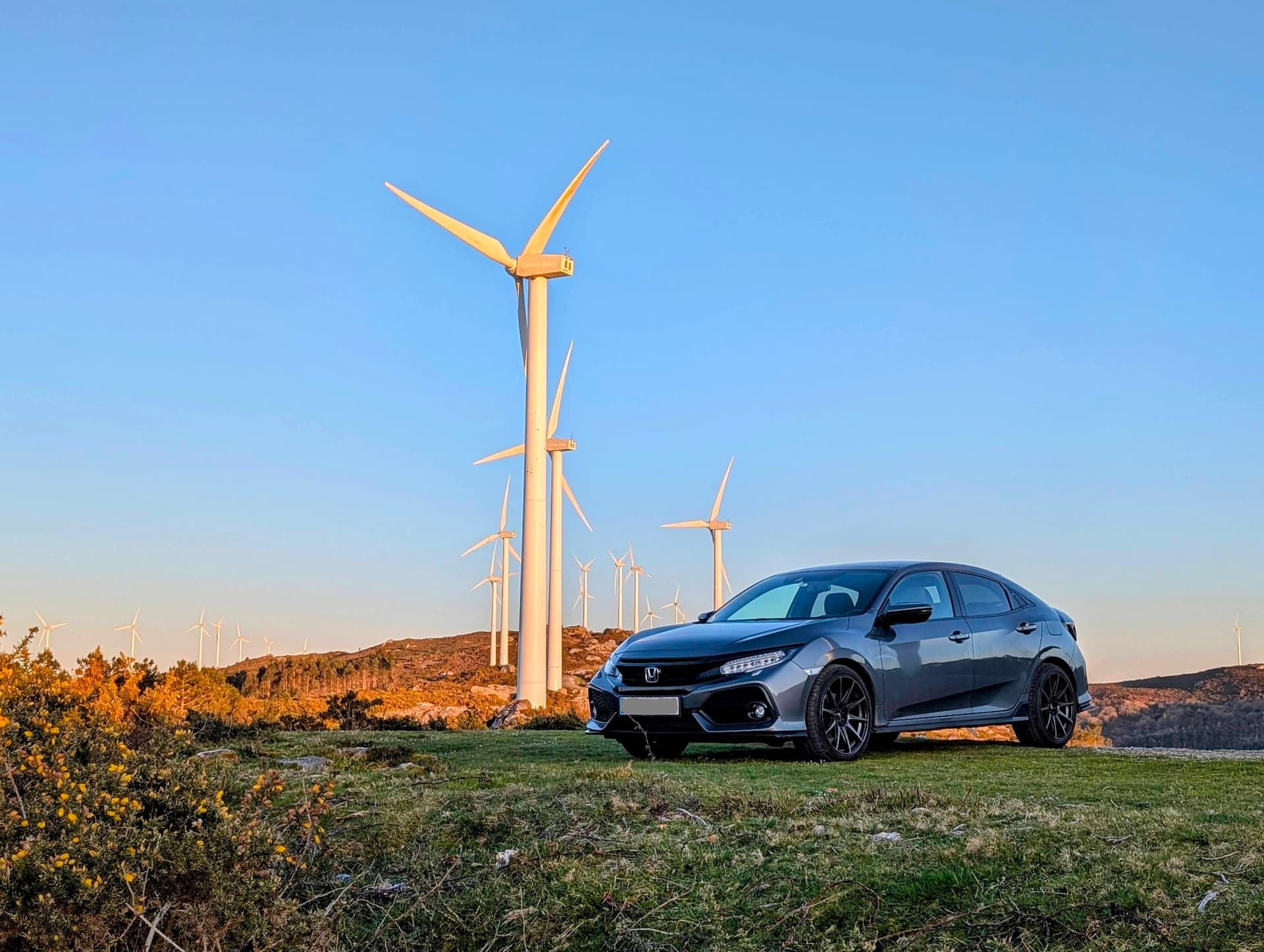
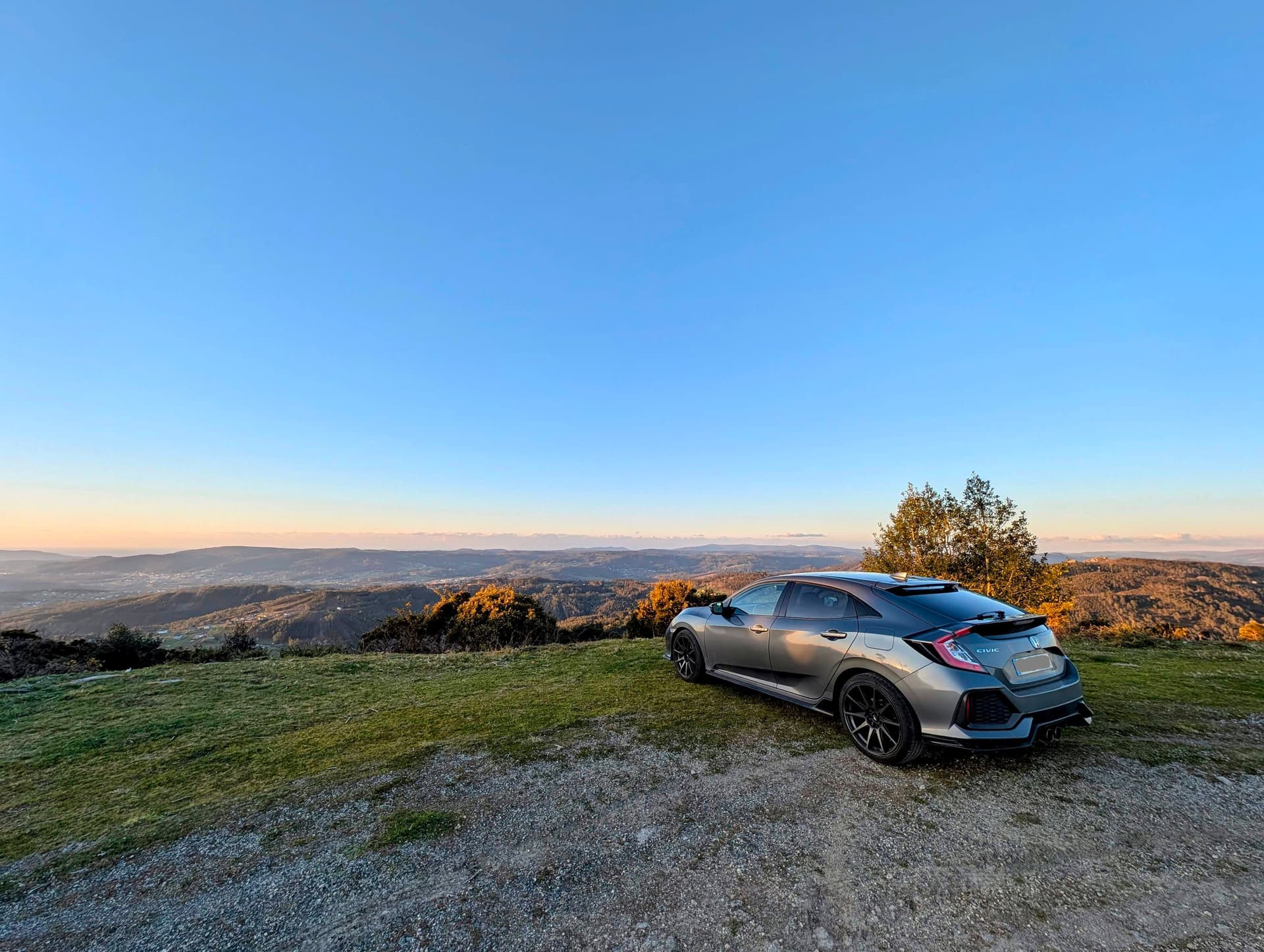
El Civic salió a la venta en el 2017. Puede que por entonces no todo fuera SUVs con llantas de 20", y siendo un coche racional, decidieron ofrecerlo en llanta de 17" para todas sus versiones salvo el Type R. Hoy en día, se ve ridículo que un coche así, lleve llantas de 17" cuando hasta los coches más básicos como un Aygo, o un 208 llevan 18".
Por otro lado, las llantas de serie no son, personalmente, bonitas, ni ligeras (12kg aprox.), por lo que es lógico que muchos de nosotros nos planteemos en algún momento el cambiar de llantas. De aquí surgen varios problemas, como el hecho de que no sea barato cambiar de llantas, que no incremente el valor del coche, que encarezca el cambio de neumáticos, posibles problemas con ITV…
Por mi parte, después de haberme leído todos los hilos sobre llantas y neumáticos, y tratar de buscar respuestas, me dispongo a compartir la información por si a alguien le sirve.
Medidas de llanta homologadas:
- Tornillería: 5x114.3
- Buje: 64.1, se puede incorporar centradores, normalmente sin coste adicional, y sin perjudicar al comportamiento del coche.
- ET: 50, podría ser compatible algo entre 40 y 60. No se recomienda salirse de estas medidas ya que requeriría separadores que podrían afectar negativamente al comportamiento del coche.
- Ancho: idealmente 8, aunque podemos irnos a 8.5. Con 9 de ancho, tendría que meterse un neumático de 240 de ancho, que veo excesivo.
Medidas de neumático en ficha:
- 215/55 R16 89V
- 235/45 R17 93V
- 235/40 R18 95W
Aclaración importante: el índice de carga debe de ser igual o superior a los mínimos indicados en las medidas homologadas. En nuestro caso es 89.
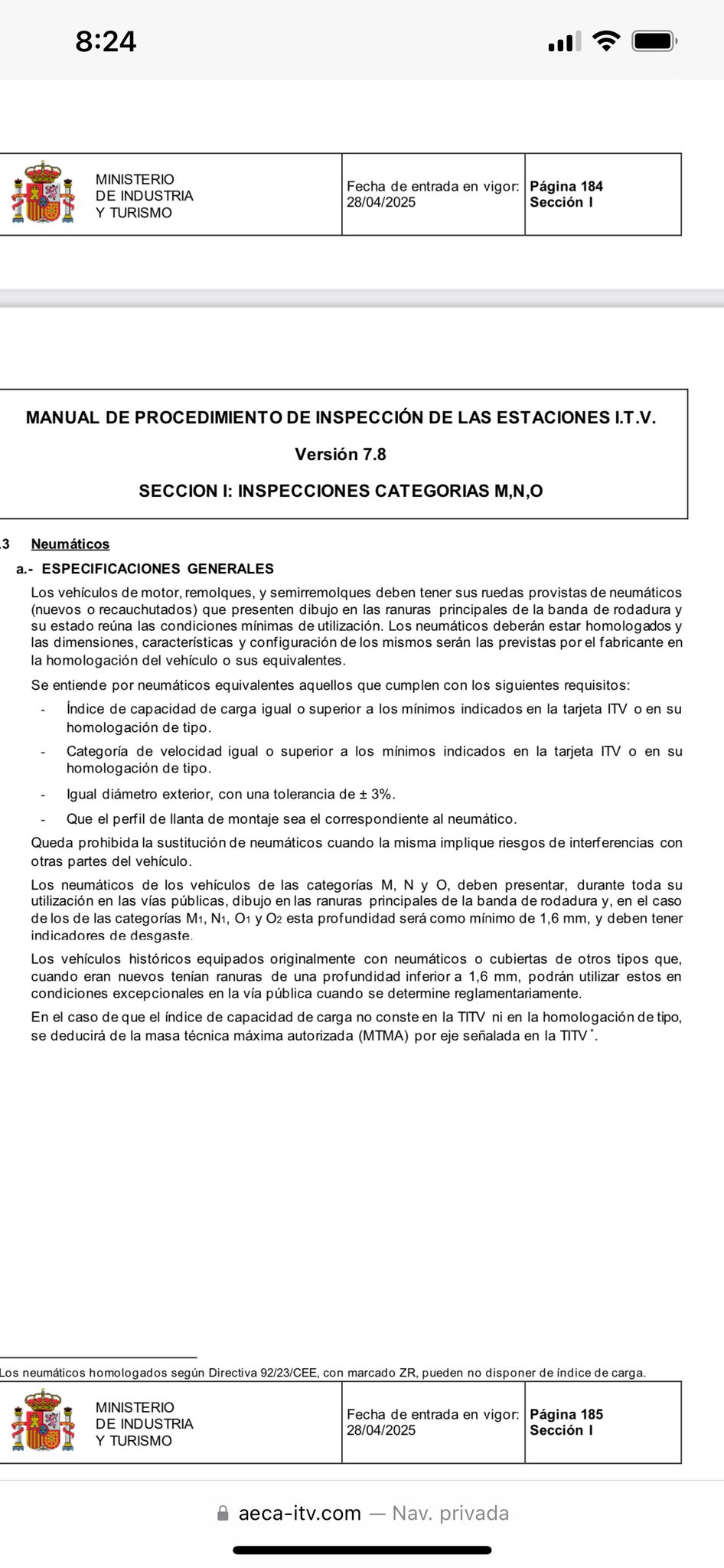
Comparación de precios de neumáticos entre 17" y 18": teniendo en cuenta medidas equivalentes que no difieran en más del 3% el diámetro del conjunto llanta-neumático. Precios cogidos de carter-cash para neumático Goodyear Eagle F1.
225/45 R17 91Y → 80€
225/40 R18 92Y → 82€
235/45 R17 93V → 109€
235/40 R18 95W → 120€
Nota: actualmente llevo 225/45 R17 94V y, a parte de ser más barato que el 235, he pasado ITV sin ningún problema porque es equivalente, y mi consumo ha bajado 0,2l. Podéis ver mis consumos aquí: http://spritmonitor.de/es/detalle/1393482.html
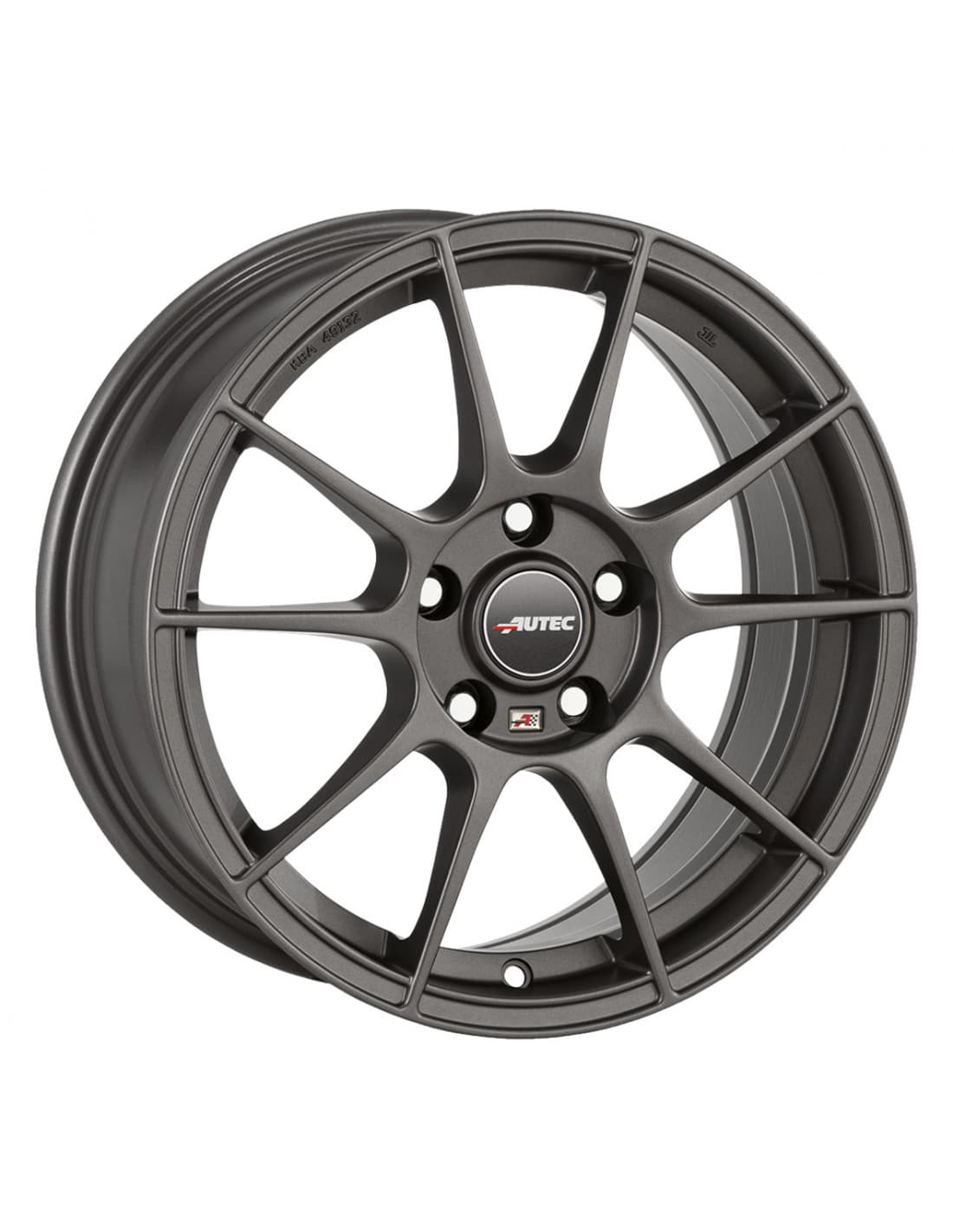
Mis llantas preferidas en 18": teniendo en cuenta que las llantas de serie pesan 12kg aprox.
Mejor calidad/precio: Autec Wizard - 9kg - 800€
Mejor peso con muy buena calidad: Racing Division VR5 - 8,1kg - 1000€
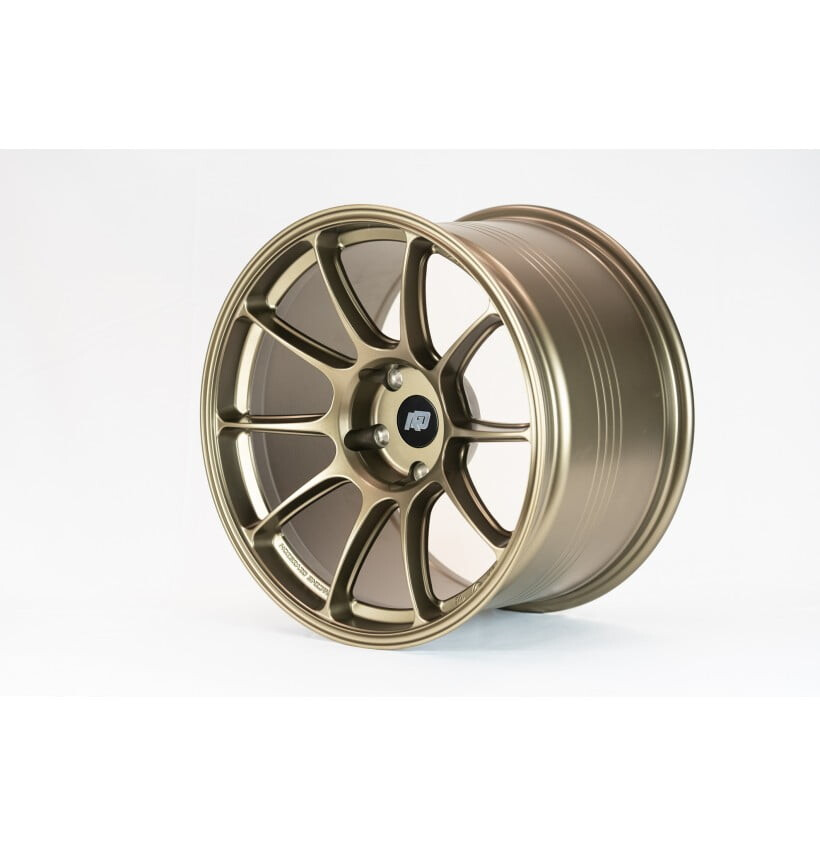
Menor peso con buen precio: Tomason TN25 - 7,9kg - 900€.
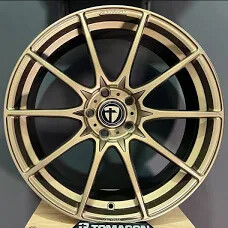
Marca nueva, con muy buena calidad-precio: SpacWheels SW22 - 8,2kg - 820€. El problema es que solo las venden en ET40, aunque en teoría, tendría que estar dentro de márgenes.
Fuera de estas, tenemos JP, las famosas Juan Ramón, uy digo Japan Racing jeje. Empresa polaca que ofrece llantas con Imitaciones de diseños icónicos, la mayoría casting que a pesar de ser más ligeras que las de serie, suelen estar en los 10kg, y no son mucho más baratas.
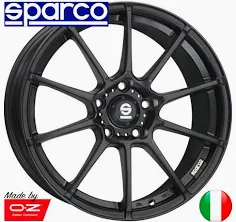
Por encima, tenemos marcas más premium como OZ, que obviamente son una buena opción para quien se las pueda permitir, y no quiera pagar aduanas. Tenéis sus marcas secundarias como Sparco, o MSW. Ejemplo:
Sparco Asseto Gara, las de @Sirone pero pesan 10kg jeje
Y ya, para los deep pockets, tenéis Enkei desde 1500€, Volk sobre los 2500€, o las de Spoon que valen 4000€ aprox.
Iré aportando más información según avance en el proceso. Cualquier duda, respondo encantado.